
Shelter Bay Camping Near Steep Point: When Plans A and B Fall Apart
Updated: Apr 20
Cyclone Narelle had other ideas. We rolled out of Galena Bridge under moody skies with a simple plan: push closer to Shark Bay, wait for Francois Peron National Park to reopen, and finally swap weeks of inland driving for some beach time. Ninety per cent of this trip is inland. We were hanging out for salt water.
Francois Peron had other ideas too.
Shark Bay gravel pit: Insta versus reality
The drive from Galena Bridge was uneventful. A live emu, two dead emus (not a great ratio), a fuel top-up at Overlander Roadhouse, then the turn-off into Shark Bay. We pulled into a gravel pit near the Useless Loop turnoff for the night, hoping the park would open in the morning.
The vibes, it has to be said, were low.
Everywhere we looked was green from the rain, which is genuinely beautiful country when you catch it like this. The flip side of green scenery is flies. Aggressive, eyeball-seeking, nose-hole-invading flies that could teach a master class in persistence. They were smart enough to work out how to get inside sunglasses but not smart enough to work out how to get back out. It had strong Red Centre energy, the kind of trip where you pack motocross goggles or you suffer.
We suffered. Cracked a beer. Went to bed early.

Francois Peron still closed: time for Plan B
Morning rolled around and Francois Peron was still locked up tight. We messaged a few people, scrolled through the alerts, and accepted that it was not happening that day. Plan B was a run of free campsites off a little peninsula we had spotted on satellite. Plan C, if those were closed too, was heading out to Shelter Bay near Steep Point.
Plan B gate? Locked.

Activating Plan C.
The run out to Steep Point
If you have never been, the track out to Steep Point is part of the fun. We aired down at the Useless Loop mine turnoff, 30 psi rear and 25 front in the Hilux, soft enough for the corrugations without going full beach pressure. From memory the corrugations get a lot meaner further in, so we wanted to save our fillings.
Then comes the big sand dune crossing at the intersection, which is honestly the best part of the drive. No bone-crushing washboard, just soft sand and a bit of commitment. Two vehicles entering the Steep Point track, radio check, and away we went.
A quick side note on the rig. Before we left Geraldton the day before Cyclone Narelle hit, the winds pushed the awning bracket on the rooftop tent hard enough to crack it. Paul had grabbed a push door plate from Bunnings, 2 mm stainless, and spent the morning at Shelter Bay cutting it in half, drilling it out, and bolting it back over the damage with a heavy dose of silicone. Not a TIG weld, but enough to see out the trip. A swim straight after felt very earned.
Shelter Bay delivered
Shelter Bay was not Plan A. It was not even Plan B. But pulling up to that water, even with moody skies overhead, it was hard to feel cheated.

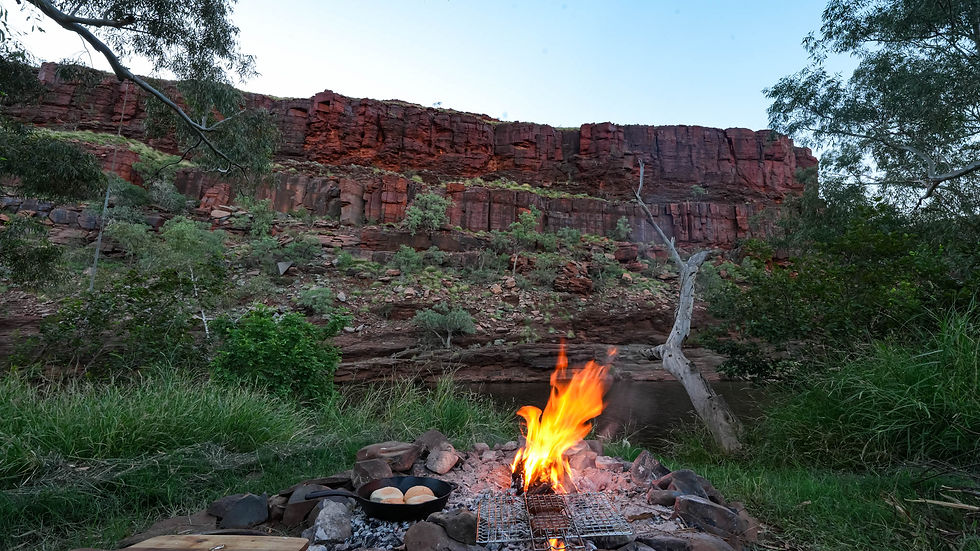
We scored two to three hours a day when the wind was not blowing a gale, and in those windows it was genuinely one of those one of many paradises on Earth spots. West really is best. The camp was quiet, the swimming was cold and clear, and the pace dropped to something close to horizontal.
It is the kind of place that only works when the plan falls apart. If Francois Peron had opened on day one we would have blown straight past it.
Tips if you are heading to Shelter Bay
A few practical bits we picked up:
Access: Shelter Bay sits out near Steep Point, the westernmost tip of mainland Australia. You need a high-clearance 4WD, recovery gear and the confidence to air down properly.
Tyre pressures: 30 psi rear and 25 psi front worked well in the Hilux for the corrugations. Drop further for the sand dune crossing if you are not carrying a heavy load.
Shoulder season reality: Travelling after cyclone activity means closures. Plenty of them. Build flexibility into the plan and do not get attached to any one destination.
Flies: Fly net. Pack at least one.
Bookings: Bookings can be hard to come by in peak season - for that reason travelling in the shoulder season can be a good option if you're able to be flexible with places and dates. If not, join the queues when bookings open six months out - it's worth it!
What's next?
We managed to snag three nights at Francois Peron National Park over Easter, which is the first big-ticket destination for this trip. The cancellations from the cyclone closures worked in our favour. Assuming the roads to the east reopen by the time we leave Francois Peron, we will finally point the vehicles inland and get some proper desert life going.
That is the next episode. Plans A, B and C all on the table again. Subscribe on YouTube so you do not miss it.


Comments