
Clear Water, White Sand, Red Dirt: Francois Peron National Park
The Shark Bay region is famous for its red dirt, white sand, crystal clear turquoise water and abundant marine life. It's a popular destination for holiday makers, anglers and boaties. For us though, it was a place to switch off.
After a crazy few weeks on the road, Francois Peron was exactly the kind of reset we needed. Slowing down. Taking in the small details of nature that might otherwise be missed. Sunrises, sunsets, and the kind of quiet that only comes when you're a long way from anywhere.

This blog picks up on our last full day at camp. Here's how it unfolded.
A morning walk along the coastline
We kicked the day off with a swim and a walk south along the beach, and found the coastline absolutely teeming with wildlife. Stingrays cruising through the shallows. Small reef sharks working the edges. Schools of fish, and more sea birds than we could count.
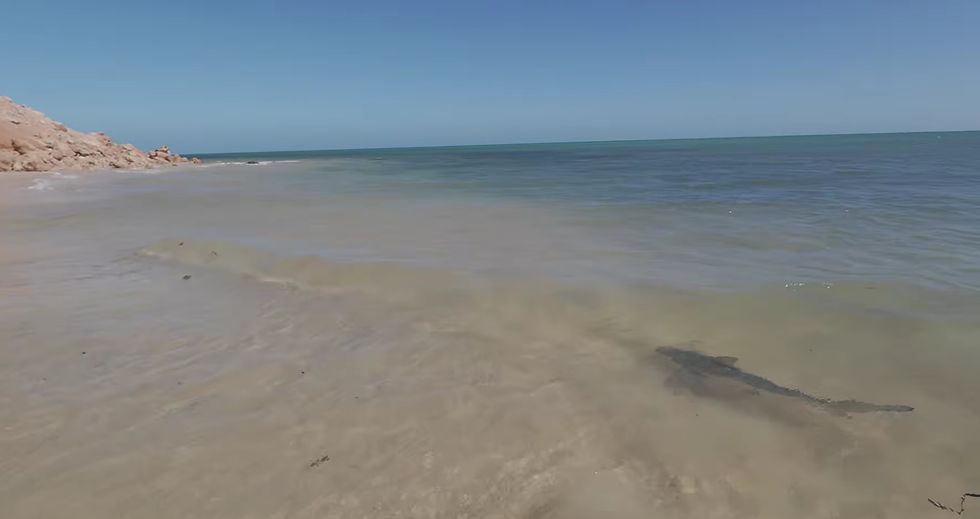
It's one of those places where you don't really need to go looking for wildlife; you just need to slow down enough to notice it's already there. The action cam picked up some footage of the rays sliding past in the water, so shallow it was amongst the weed from the shore.
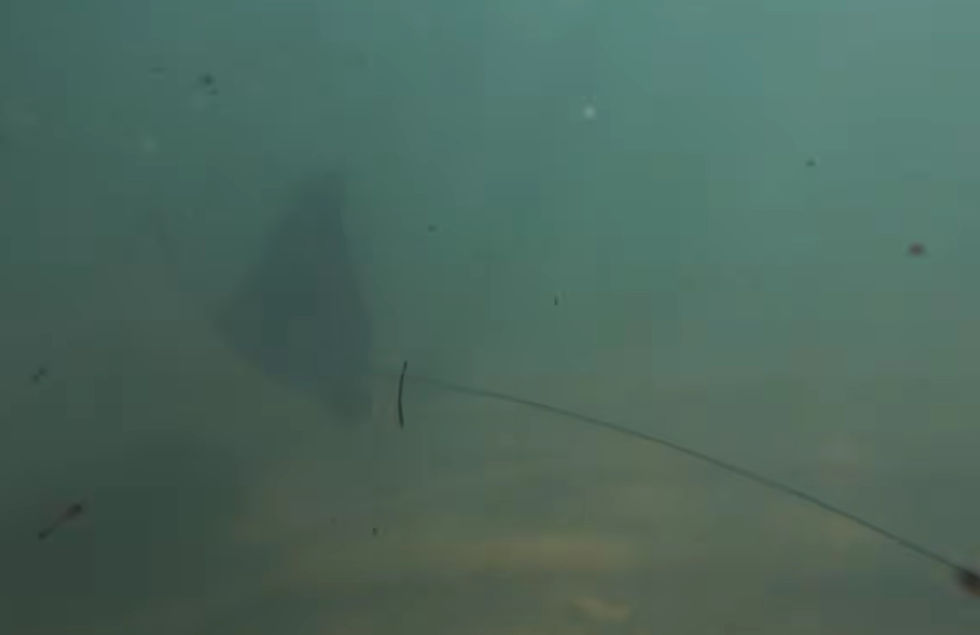
Shark Bay is a World Heritage area for good reason, and mornings like this are exactly why. The whole peninsula sits within protected waters that support an extraordinary diversity of marine life, including dugongs, turtles, dolphins, sharks, rays and hundreds of bird species.
Day tripping out to Skipjack Point and Cape Peron
After lunch we jumped in the Hilux and headed out to Skipjack Point. According to Paul, day tripping in the Hilux is without exception the roughest ride - a solid-axle 79 Series feels like a Rolls Royce by comparison. The road out is genuinely rough, but there's something to be said for committing to the bumps and letting the destination do the talking.
Skipjack Point is worth the effort. There are two clifftop viewing platforms perched out over the ocean, and from up there you get a completely different perspective on the marine life below - sharks, stingrays, and if you're lucky, turtles and manta rays cruising the edges of the red cliffs. It's only a short detour off the main track and it would be a real shame to miss it on the way through to Cape Peron.
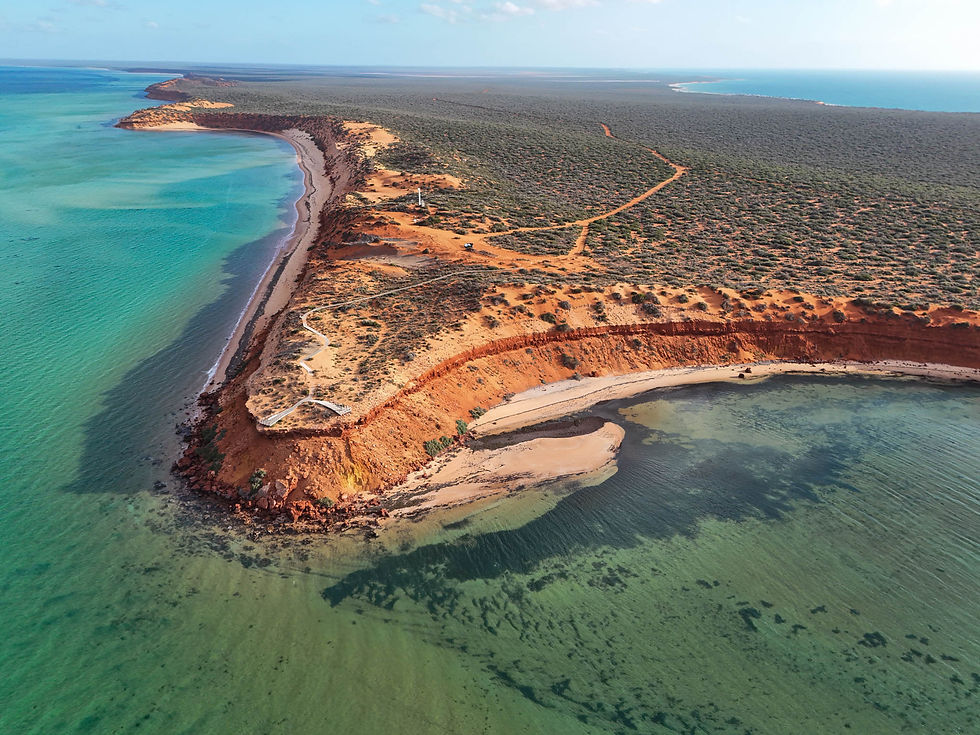
From Skipjack Point you can actually see Cape Peron itself - it's just up the coast, barely a five-minute drive. So after soaking in the view for a while, we made our way up.
Sunset dinner at Cape Peron
The plan at Cape Peron was to fire up the day-use gas barbecue for dinner. The plan fell over almost immediately when we discovered the barbecue was out of service. Not even a sign to warn us, but that's the nature of travelling remote.
We pulled out the gas stove, set up at a picnic table, cooked some burgers, cracked a couple of beers and watched the sun drop behind the horizon. A bit of cloud, plenty of colour, and one of those sunsets that wraps up a great day the way you'd hope it would.

A glassy final morning at Little Lagoon
The next morning was the kind of morning you hope for on the last day somewhere. Glassy water. No wind. No flies. Warm enough to swim in comfortably, calm enough that the water mirrored the sky.
After packing up camp we made the short detour to Little Lagoon on our way out of the park. It's a big, almost perfectly circular tidal lagoon just outside Denham, and on a day like this it was genuinely stunning.

We found a quiet stretch of beach to ourselves, blew up some inflatable rings, and spent a couple of hours drifting around in the shallows.

It was the perfect bookend to our time in the region. After days of red dirt, soft sand and bumpy tracks, just floating around in glassy turquoise water with a beer in hand felt like the reward.
Practical information for visiting Francois Peron National Park
If you're planning your own trip, here's what you need to know before you go.
Getting there. The park sits at the tip of the Peron Peninsula, about 10km north of Denham. Denham is around 830km north of Perth, roughly a nine hour drive via the North West Coastal Highway. Fuel up in Denham before entering the park - there's no fuel once you're in.
Vehicle requirements. A high-clearance 4WD with low range is essential for anything beyond the Peron Heritage Precinct at the park entrance. The precinct itself is accessible in a 2WD. Beyond that, the single-lane tracks are deep soft sand and challenging. Drop your tyre pressures to around 20 PSI (or lower depending on your vehicle and load) at the compressor station near the homestead. There's also a compressor there for reinflating on the way out.
Caravans and trailers. Low-clearance vehicles, caravans and large trailers can only go as far as Big Lagoon. Beyond that, only 4WD camper trailers and single-axle trailers with small dinghies are allowed.
Camping. There are five camping areas: Big Lagoon, Herald Bight, Gregories, South Gregories and Bottle Bay. All are beachside with basic facilities. We stayed at Bottle Bay - all campgrounds are bookable through the Parks and Wildlife website. Camping fees apply in addition to park entry fees. No campfires at any time. No pets. Bring all your own drinking water, there's none available in the park.
Swimming at Cape Peron. Don't. Two strong currents meet at the tip and swimming there is genuinely dangerous. Stick to the calmer bays and Little Lagoon for a swim.
Best time to visit. April through October offers the most comfortable weather. May through August tends to be less windy. Tropical cyclones can affect the area between November and April.
Where to next
We're heading north to Warroora Station next to regroup and figure out our plan from there. The original idea was to push across into the East Pilbara, but a lot of the roads are still closed after recent weather. So we'll just have to wait and see where we end up.
Stay tuned for the next episode. Until then, thanks for joining us for the ride.
Watch the full episode below on YouTube for all the drone footage, wildlife close-ups and the sunset at Cape Peron. Subscribe to the channel if you haven't already - it's the best way to follow along as we keep exploring remote Australia.


Comments